
Hebrew University Researchers Are Pushing Cancer Research Forward
28. Oktober 2026
During Breast Cancer Awareness Month, we recognize the researchers at the Hebrew University of Jerusalem (HU) who are working to deepen our understanding of breast cancer and develop new approaches that could transform how the disease is detected and treated.
From uncovering the earliest molecular changes associated with breast cancer to developing new ways to target aggressive cancer cells, HU researchers are advancing discoveries with the potential to shape the future of cancer care.
Uncovering the Beginnings of Breast Cancer
Ph.D. student Sara Oster Flayshman, under the guidance of Dr. Rami Aqeilan and Dr. Yotam Drier of the Concern Foundation Laboratories at the Lautenberg Center for Immunology and Cancer Research at the HU Faculty of Medicine, has revealed a previously unseen window into how breast cancer may begin in women carrying BRCA1 or BRCA2 mutations.
The study found distinctive patterns of DNA breaks in non-cancerous breast cells from BRCA mutation carriers—changes that closely resemble patterns later seen in breast cancer cells. The findings provide new insight into the earliest stages of breast cancer development and could help researchers better understand how BRCA-related cancers begin.
Targeting the “Undruggable” in Aggressive Breast Cancer
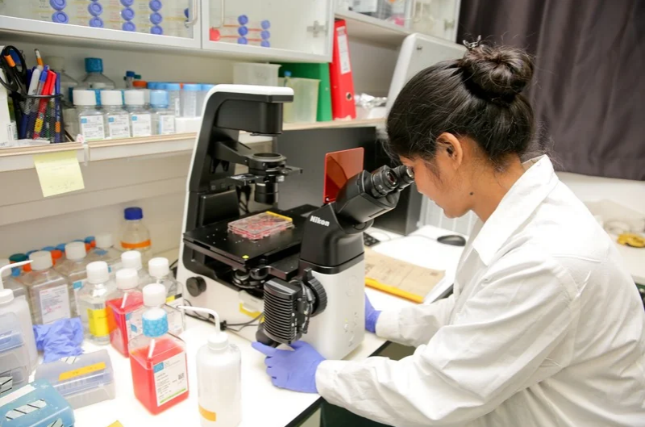
Another HU research team is targeting HuR, an RNA-binding protein that helps cancer cells grow and survive and is overexpressed in many cancers, particularly breast cancer.
Using innovative druglike molecules, Dr. Raphael Benhamou and M.Sc. student Liann Kassabri of the Faculty of Medicine at HU were able to significantly reduce HuR levels in breast cancer cell lines and inhibit cancer cell growth and survival. The research offers a promising new strategy for targeting HuR and potentially other challenging cancer-related proteins.
Breakthroughs Across Cancer Research
Across disciplines, HU researchers are also advancing new discoveries in pancreatic, skin, colorectal, and other cancers.
Pancreatic Cancer

A study led by Dr. Oren Parnas and conducted by HU student Sebastian Arcila-Barrera, with the help of Dr. Sharona Tornovsky-Babeay of the Faculty of Medicine at HU, found that precancerous pancreatic cells may begin interacting with nearby immune cells in ways that weaken the body's defenses long before cancer is clinically detected. The findings could help scientists better understand how pancreatic cancer develops and identify high-risk lesions earlier.
Skin Cancer
Ph.D. student Tirza Bidany-Mizrahi, under the guidance of the aforementioned Hebrew University professor, Dr. Rami I. Aqeilan, in collaboration with researchers from the University of Rome, identified a biological mechanism that helps protect against the progression of aggressive skin cancers.
Colon Cancer
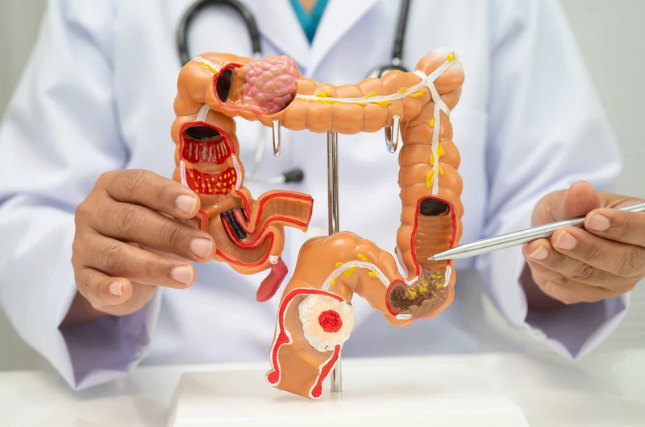
Prof. Michal Linial, Prof. Or Kakhlon, and Keren Zohar of the Faculty of Sciences at HU identified a protein target that could help predict resistance to conventional chemotherapy in colorectal cancer, potentially supporting more personalized treatment approaches.
Expanding Our Understanding of Cancer
HU researchers are also uncovering fundamental processes that drive cancer at the cellular and molecular levels.
Recent studies have explored how changes in RNA processing may contribute to cancer progression, identified previously overlooked proteins associated with different stages of cancer, and revealed a new mechanism showing how the loss of the cancer-protecting gene p53 can damage DNA and drive genomic instability.
Other researchers have developed a new mechanical sensor surface that can distinguish more aggressive cancer cells based on how they physically interact with their environment.
Together, these discoveries are expanding our understanding of cancer—from its earliest molecular changes to new opportunities for detection and treatment.
Support for Hebrew University helps researchers continue pursuing discoveries that can shape the future of cancer research and care.